Jainism

The Path of Ahimsa, Truth & Liberation

Jainism is one of the world's oldest continuous spiritual traditions, emphasizing the liberation of the soul through non-violence, self-discipline, and deep respect for all living beings.

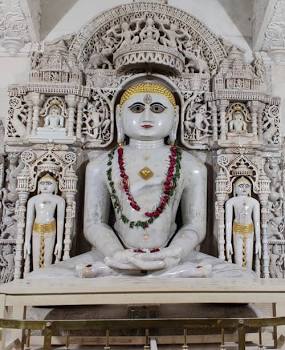
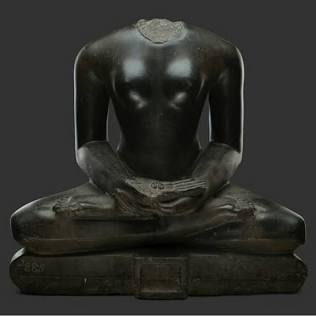
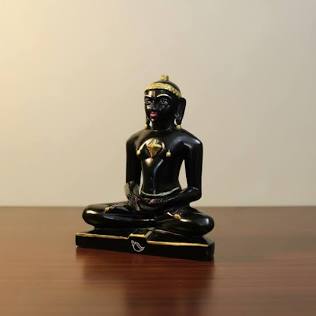
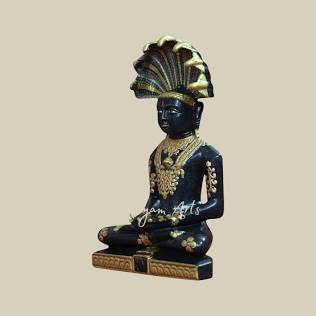
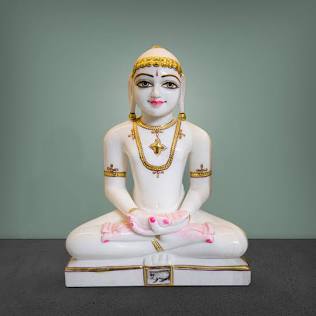
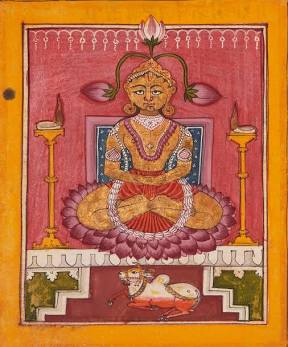
Sacred Jain structural architecture and meditative legacy
Jain Philosophy

The Journey of the Soul

Jainism teaches that every living soul possesses the potential for divine perfection. By overcoming internal passions like anger, ego, and greed, individuals conquer the cycle of birth and death, becoming a Jina (conqueror).

AhimsaNon-Violence
SatyaAbsolute Truth
AparigrahaNon-Possession
RatnatrayaThree Jewels
Core Beliefs

Core Elements of Jainism

Jain cosmic philosophy operates without a creator divinity, placing full existential accountability upon the single individual.

Ahimsa (Non-violence)

The foundational pillar. Avoiding injury to all living things—including insects, plants, and microscopic organisms—in action, speech, and mental intent.

Karma

A material substance of fine particles that attaches to the soul based on actions and emotions, dictating the course of reincarnation.

Anekantavada

The principle of pluralism and many-sidedness of reality. Truth is vast, and human viewpoints capture only a singular partial perspective.

Jiva & Ajiva

The universe splits cleanly into conscious souls (Jiva) and non-conscious cosmic matter (Ajiva), like space, time, and physical elements.

Asceticism

Spiritual purification through restraint, meditation, and fasting to release the soul from material karmic bondages.

Moksha

The ultimate spiritual objective: absolute liberation from birth and death, transitioning into endless knowledge, power, and bliss.

The Ratnatraya (Three Jewels)

The definitive pathway to liberation consisting of Right Faith (Samyak Darshana), Right Knowledge (Samyak Jnana), and Right Conduct (Samyak Charitra).

Spiritual Guides

Prominent Tirthankaras

Lord Rishabhadeva statue

Rishabhadeva

1st Tirthankara
Symbol: Bull

Lord Sambhavanatha temple imagery

Sambhavanatha

3rd Tirthankara
Symbol: Horse

Lord Mallinatha imagery

Mallinatha

19th Tirthankara
Symbol: Water Pot

Lord Neminatha hill site

Neminatha

22nd Tirthankara
Symbol: Conch Shell

Lord Parshvanath serpent motif

Parshvanatha

23rd Tirthankara
Symbol: Serpent

Lord Mahavira ascetic representation

Mahavira

24th Tirthankara
Symbol: Lion

Sacred Places

Famous Jain Temples

Palitana Temples

Palitana Temples

Gujarat, India

Dilwara Temples

Dilwara Temples

Rajasthan, India

Ranakpur Temple

Ranakpur Temple

Rajasthan, India

Shravanabelagola

Shravanabelagola

Karnataka, India

Shikharji

Sammed Shikharji

Jharkhand, India

Jain Festivals

Paryushan MahaparvaFasting, reflection, and seeking forgiveness
Mahavir Janma KalyanakBirth anniversary celebration of Lord Mahavira
Diwali (Moksha Kalyanak)Commemorating Mahavira reaching final liberation
KshamavaniSacred day of collective cosmic forgiveness
MahamastakabhishekaGrand celebratory anointing of giant sacred statues

Jain Scriptures

The AgamasCanonical texts capturing the direct spoken word of Mahavira
Tattvartha SutraThe definitive philosophical synthesis of Jain framework
SamayasaraDeep spiritual text illuminating the pure essence of soul
Kalpa SutraBiographical accounts of the historic Tirthankaras
Dhavala TextsAdvanced commentaries on mathematics and cosmic karma

Jain Practices

PratikramanaRitual review of actions to step back from errors
Santhara / SallekhanaVoluntary, serene meditative vow of fasting near end of life
Navkar MantraThe foundational, universal mantra venerating pure virtues
Jain VegetarianismStrict lifestyle excluding root vegetables to avoid harm
Join Our Community

Register Your Religious Entity

Are you associated with a Pilgrim Place, Religious Education Centre, Important Place, Religious Sant / Preacher, or Priest? List your entity on our platform to reach a wider community.

Register Now